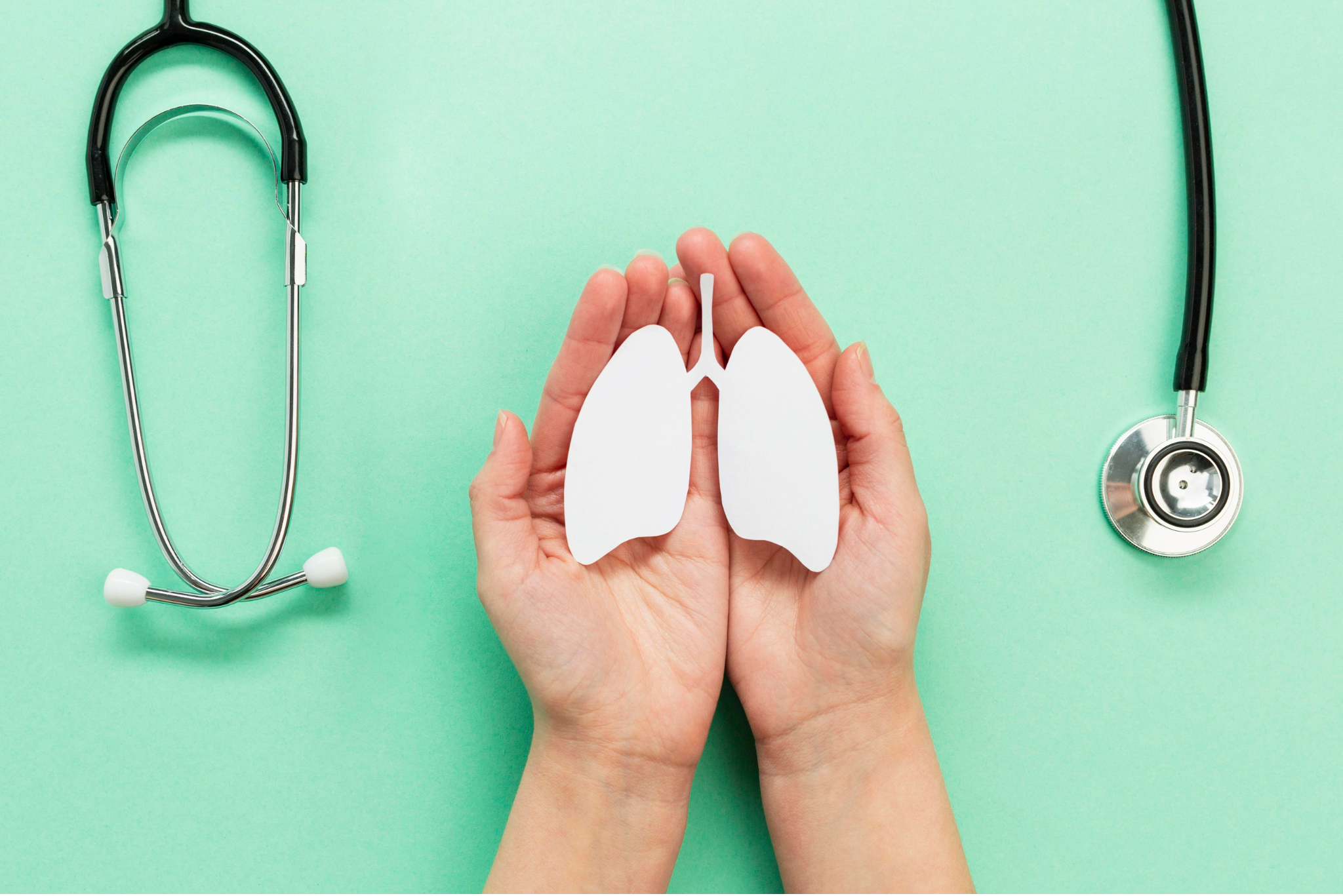
Pulmonology
The goal of pulmonology is to improve breathing, enhance lung function, and ensure better overall health.
overview
Pulmonology is a medical specialty focused on the diagnosis, treatment, and prevention of diseases related to the respiratory system, including the lungs, airways, and respiratory muscles. Pulmonologists manage a wide range of conditions such as asthma, chronic obstructive pulmonary disease (COPD), pneumonia, tuberculosis, sleep apnea, and lung infections. Visit our Advanced Chest Care Hospital in Khammam for expert respiratory care, advanced diagnostic services, and personalized treatment for all lung and chest-related conditions.
With modern diagnostic tools and advanced therapeutic techniques, pulmonologists provide both medical and interventional care. They not only treat acute respiratory illnesses but also help patients manage chronic lung conditions, improving quality of life and reducing complications through personalized care plans.
Symptoms & Diagnosis
Pulmonary conditions can manifest through a variety of respiratory symptoms. Patients may experience shortness of breath, persistent cough, wheezing, chest pain, or excessive phlegm production. Fatigue, frequent respiratory infections, and difficulty performing daily activities are also common indicators of underlying lung problems. Early detection of these symptoms is crucial for effective management and prevention of long-term lung damage.
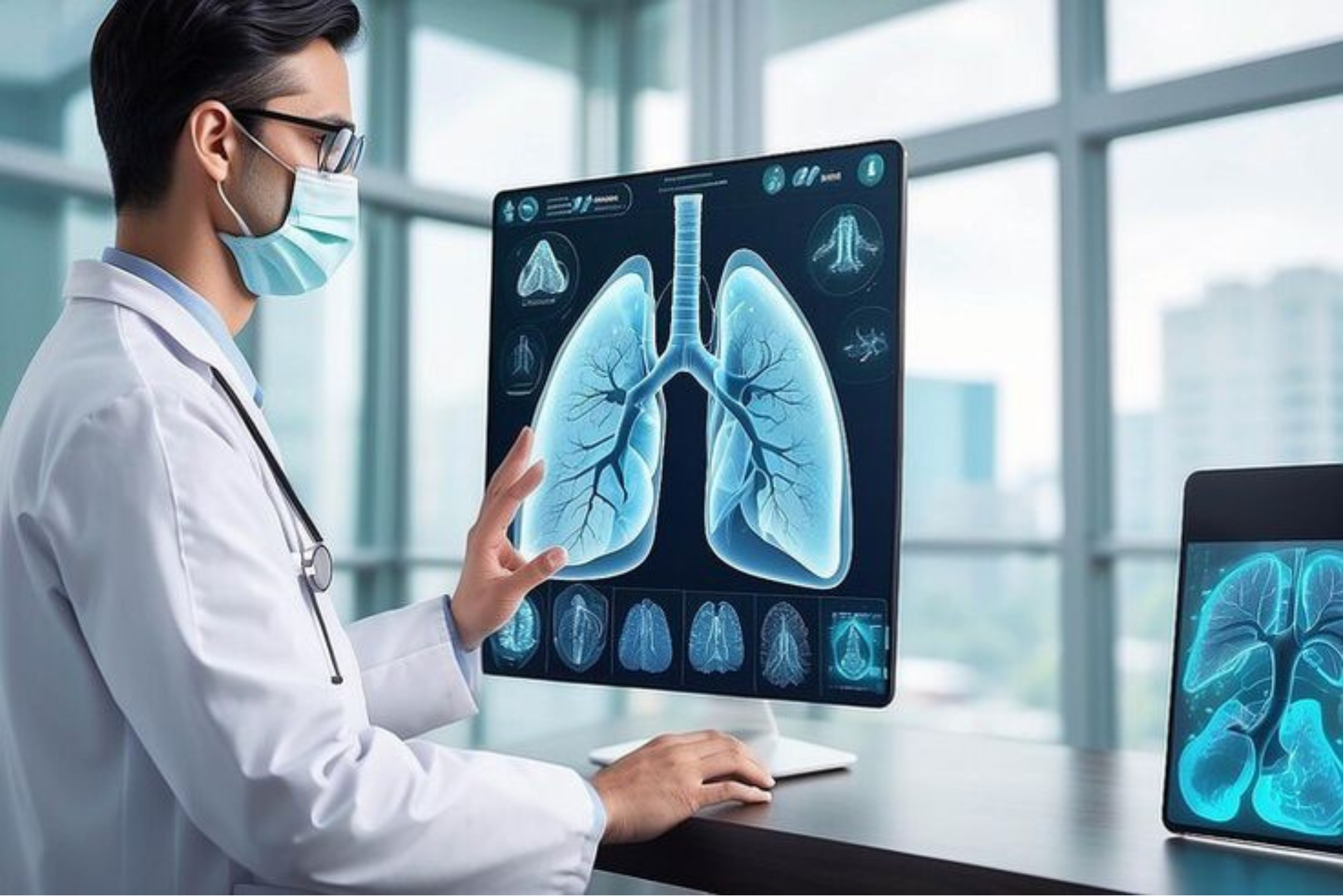
Diagnosis in pulmonology involves a combination of clinical evaluation, imaging studies, and functional tests. Pulmonologists use chest X-rays, CT scans, and MRIs to examine lung structures, while spirometry and pulmonary function tests assess breathing capacity. Laboratory tests, sputum analysis, and bronchoscopy may also be used to identify infections, inflammation, or abnormal growths. Accurate diagnosis enables timely treatment and better recovery outcomes.
Common Symptoms:
- Persistent cough or wheezing
- Shortness of breath or difficulty breathing
- Chest tightness or pain
- Excessive phlegm or mucus production
- Fatigue and weakness
- Recurrent respiratory infections
- Nighttime breathing difficulties (sleep apnea)
Meet Our Doctor
Our pulmonologists specialize in diagnosing and treating respiratory diseases with precision and care. They develop individualized treatment plans using the latest diagnostic tools and therapies, from medication management to advanced procedures for chronic and acute lung conditions. Consult the Best Pulmonologist in Khammam for expert diagnosis, personalized treatment, and comprehensive care for all types of lung and respiratory disorders.