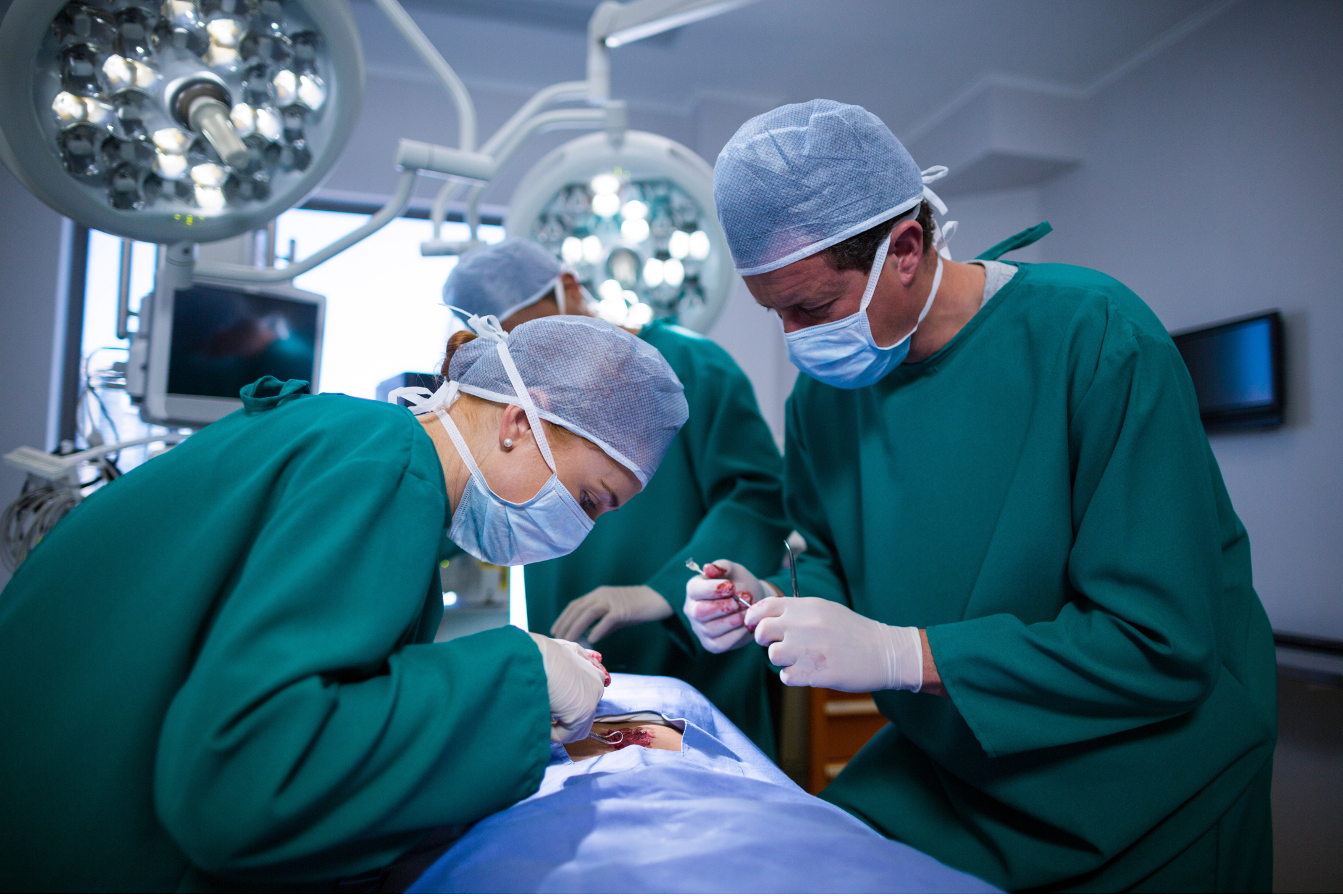
General Surgery
General surgeons are trained to perform both minimally invasive and open surgical procedures to treat conditions like hernias, gallstones, appendicitis, tumors, and more.
overview
General Surgery is a medical specialty that focuses on the diagnosis, treatment, and surgical management of a wide range of conditions affecting the abdomen, digestive tract, endocrine system, skin, soft tissues, and other organs. General surgeons are trained to perform both minimally invasive and open surgical procedures to treat conditions like hernias, gallstones, appendicitis, tumors, and more.
With advancements in surgical techniques, General Surgery emphasizes patient safety, faster recovery, and improved outcomes. Surgeons not only treat acute surgical emergencies but also manage chronic conditions that require careful planning and post-operative care. Consult us for Laparoscopic Surgery in Khammam for advanced minimally invasive procedures, faster recovery, reduced pain, and expert surgical care.
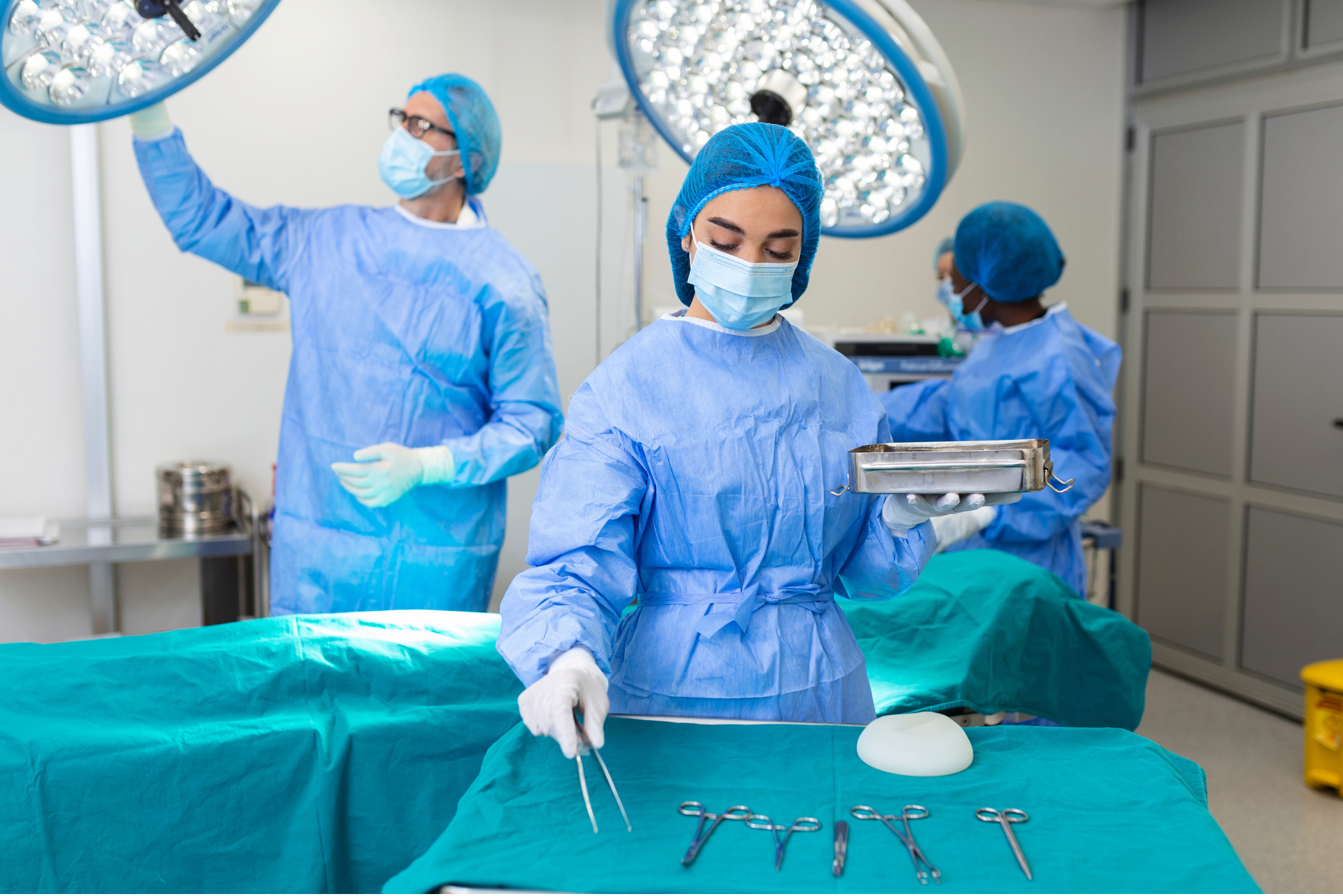
Symptoms & Diagnosis
General surgical conditions often present with symptoms that affect the abdominal area, digestive system, or soft tissues. Patients may experience persistent abdominal pain, bloating, nausea, vomiting, or changes in bowel habits. Swelling, lumps, or hernias can indicate underlying surgical issues, while unexplained weight loss, fever, or recurrent infections may signal more serious conditions requiring prompt attention. Early recognition of these symptoms is vital for effective treatment and to prevent complications. Indocare Multispeciality Hospital is recognized as a Top General Surgery Hospital in Khammam, offering expert surgical care with advanced technology and a patient-centered approach.
Diagnosis in General Surgery involves a combination of thorough physical examinations, advanced imaging techniques, and laboratory investigations. Surgeons use ultrasound, X-rays, CT scans, and MRI to detect abnormalities in the abdominal organs and soft tissues. Endoscopic procedures like colonoscopy or upper GI endoscopy help visualize internal organs, while blood tests and biopsies provide essential information on infections, inflammation, or tumors. Timely and accurate diagnosis ensures appropriate surgical intervention and better recovery outcomes.
Common Symptoms:
- Abdominal pain or tenderness
- Swelling or lump in the abdomen
- Nausea, vomiting, or loss of appetite
- Indigestion, heartburn, or bloating
- Changes in bowel habits (constipation or diarrhea)
- Unexplained weight loss
- Fever or persistent infection
Meet Our Doctor
Our general surgeons are skilled in managing a broad spectrum of surgical conditions, combining precision, experience, and compassionate care. They provide individualized treatment plans, performing both routine and complex surgeries with advanced techniques.